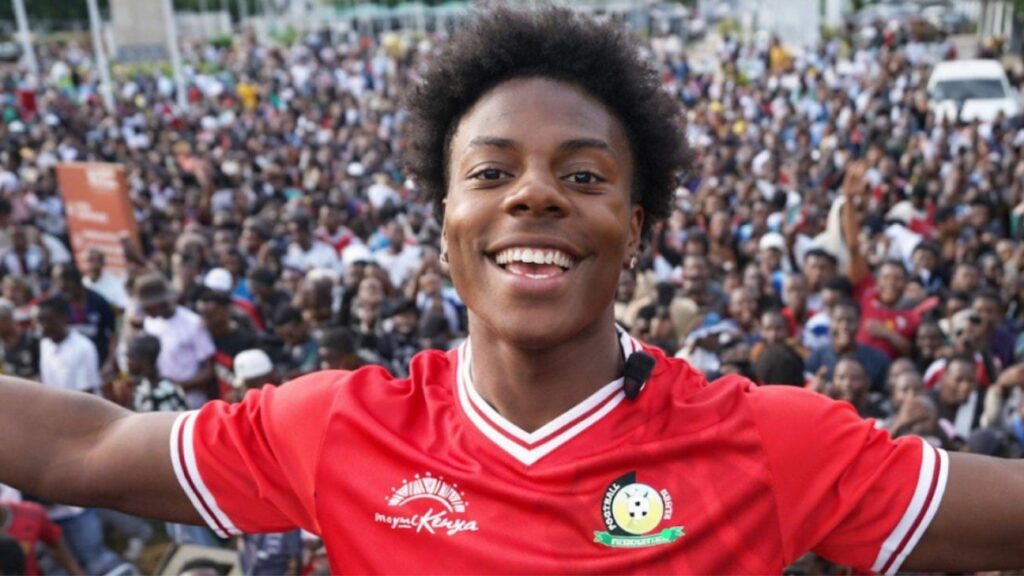
IShowSpeed did something special with his Africa tour: he turned a journey into a real-time spectacle. Millions of viewers followed as he moved through twenty African countries, from bustling streets and packed stadiums to spontaneous encounters with fans, artists, and locals. Not polished afterward, but live and unpredictable. That’s why the tour didn’t feel like content, but like a moment you wanted to be part of.
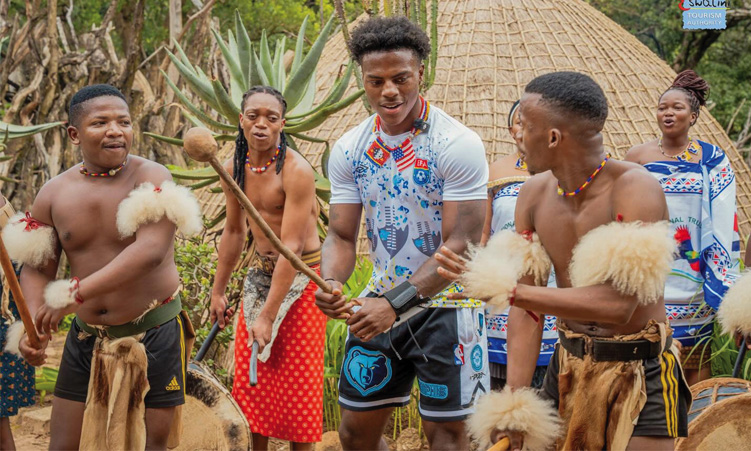
IShowSpeed, real name Darren Watkins Jr., is an American YouTuber and livestreamer who has become one of the biggest faces of the internet generation. His style is loud, physical, chaotic, and extremely reactive: he runs, shouts, dances, plays football with locals, challenges people, and lets everything happen in real time. That’s precisely why his content feels less like classical media and more like a live encounter where any moment can go sideways, move people, or go viral.
With Speed Does Africa, that approach took on greater significance. Speed traveled through 20 African countries in 28 days to showcase the continent’s cultural diversity and break negative stereotypes about Africa. (Source: AP News).
The tour began in late December in Angola and ended in Namibia, with stops in Morocco, Senegal, Nigeria, and Ghana, among others. In Morocco, he attended the Africa Cup of Nations final. In Senegal, he celebrated with football fans. And in Nigeria, on his birthday, he reached 50 million YouTube subscribers live, reported Times of India. But the tour was more than just a trip from one viral moment to the next. For Speed, Africa also held personal meaning. In Ghana, he shared that his roots trace back to the West African country and spoke about his visit as coming home.
A recognizable traveling live format
What made the tour interesting wasn’t just its reach, but especially its form. This wasn’t a series of random streams, but a recognizable traveling live format: a world-famous online personality steps into a country, meets the energy of the place, reacts to everything that happens, and takes his audience live with him into that collision between internet culture and local culture.
Live feels like proof
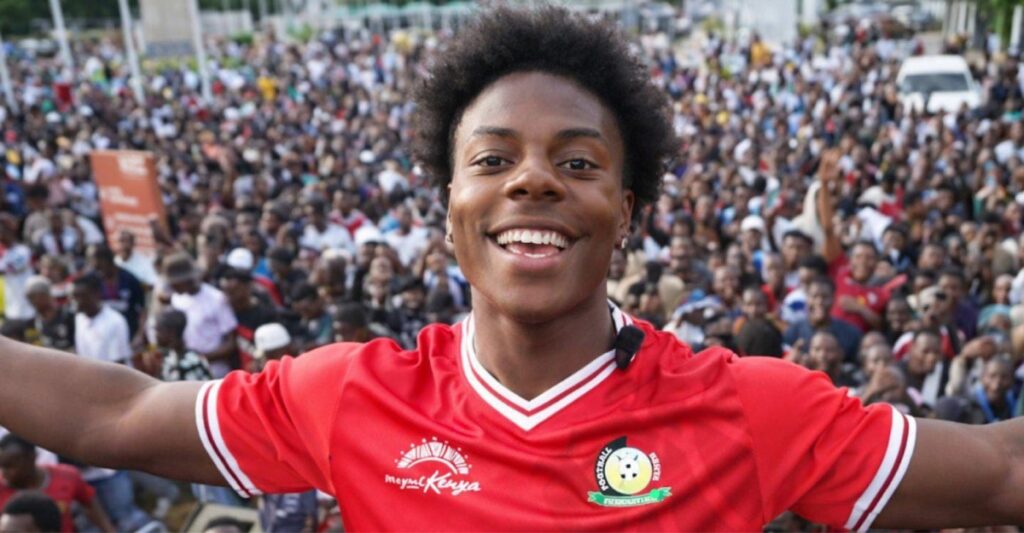
The power of IShowSpeed’s Africa tour wasn’t just in the places he visited, but especially in the fact that everything happened live. No editing afterward. No perfect voice-over. No smoothed-out story with all the rough edges cut away. The viewer saw the journey unfold as it happened: the bustle of the streets, the reactions of fans, the confusion, the humor, the chaos, the energy of a city that suddenly became part of a global online moment.
That’s what makes live so powerful. A video can tell you something, but a livestream makes something happen. That’s precisely why it feels more credible. You don’t just see the end result, but also the road to get there. For travel, culture, sports, events, and communities, that’s gold. It’s not just about information, but about presence. About the feeling: this is happening now, and I’m here.
Not a broadcast, but a format
What IShowSpeed did was more than a series of random livestreams. The tour had a clear shape. He arrived in a country, hit the streets, met locals, reacted to what happened, and took his audience live with him in that moment. The viewer knew roughly what to expect, but never exactly what would happen. And that’s precisely where the tension came from.
That’s the difference between a broadcast and a format. A broadcast is a moment. A format is a promise. It has repetition, recognizability, and room for surprise. Speed didn’t discover Africa in one video, but in a series of live episodes where each country became a new scene. That made it bigger than the sum of its parts.
For organizations, there’s an important lesson here. A livestream only becomes interesting if there’s a reason to come back. A monthly knowledge session, a live product demo, a behind-the-scenes tour, a series of conversations with experts, a live Q&A with customers, or an internal format where employees can ask questions directly. Not just “doing something live” once, but building a format that people recognize.
The chat as the engine of the moment
With a good livestream, the audience doesn’t just watch. The audience participates. You saw that with IShowSpeed too. The chat reacted constantly, ramped up the energy, made jokes, asked questions, corrected, steered, and amplified the tension. The stream was therefore not one-way traffic, but a living conversation between creator, place, and audience.
That’s a major difference from traditional video. With live, the reaction happens during the moment itself. The chat becomes part of the experience. Sometimes literally, when the host responds to messages. Sometimes indirectly, because the energy of thousands of viewers shapes how a moment feels.
Interaction is still too often seen as an add-on. A Q&A at the end. A poll in between. A chat window somewhere next to the broadcast. But if you take live seriously, you design interaction as part of the format.
Let’s go viral! From livestream to content machine
A livestream is rarely done when the broadcast ends. In fact, often the real distribution only begins afterward. With IShowSpeed, individual moments from the tour were shared everywhere. Short clips, reactions, compilations, screenshots, and news stories attracted a second audience: people who hadn’t watched the livestream live, but were drawn into the story through social media.
That’s one of the most underestimated powers of live. One broadcast can produce dozens of new pieces of content. A strong statement becomes a quote. An unexpected moment becomes a clip. A question from chat becomes a LinkedIn post. A demonstration becomes a short explainer video. A conversation becomes a blog post. That’s how live shifts from end product to raw material.
For organizations, that’s strategically interesting. A livestream shouldn’t only be judged on the number of viewers at that moment. The question is also: what can you do with it afterward? Which clips are valuable for sales? Which insights are interesting for your newsletter? Which moments work on LinkedIn? Which questions from the audience deserve a follow-up?
Live can be rough
Precisely because livestreaming feels real, it can also be rough. A slip of the tongue, a technical glitch, an unexpected reaction from the audience, or a moment that goes differently than planned—it doesn’t have to be a problem right away. In fact, that imperfection is often what makes live credible. In a time when more and more content feels like polished AI slop, authenticity is rare. People recognize when something is too polished, too safe, or too calculated. Live has a different kind of value: you see it happening, with all the energy, mistakes, and spontaneity that come with it.
That doesn’t mean you should go live without a plan, of course. The best live formats feel free, but are solidly built behind the scenes. Technology, roles, moderation, safety, and content preparation have to be right, so that in front of the camera there’s room for real moments. With IShowSpeed, the chaos is part of the appeal. For brands and organizations, it doesn’t have to be that extreme, but the lesson stays the same: live doesn’t have to be perfect to be good. It has to feel real, be reliable enough, and leave room for what can only happen live.
Why real moments stick around
The lesson from IShowSpeed’s Africa tour isn’t that you should try to recreate a global internet sensation. The lesson runs deeper: live communication works because something is at stake. It’s happening now. It can be rough. It can surprise you. It can even go wrong. That’s precisely why it feels real. In a world full of quick, polished, and increasingly AI-generated content, live gets its value back. Not because it’s perfect, but because it’s alive. Because as a viewer you feel: this moment exists only once, and I’m here.