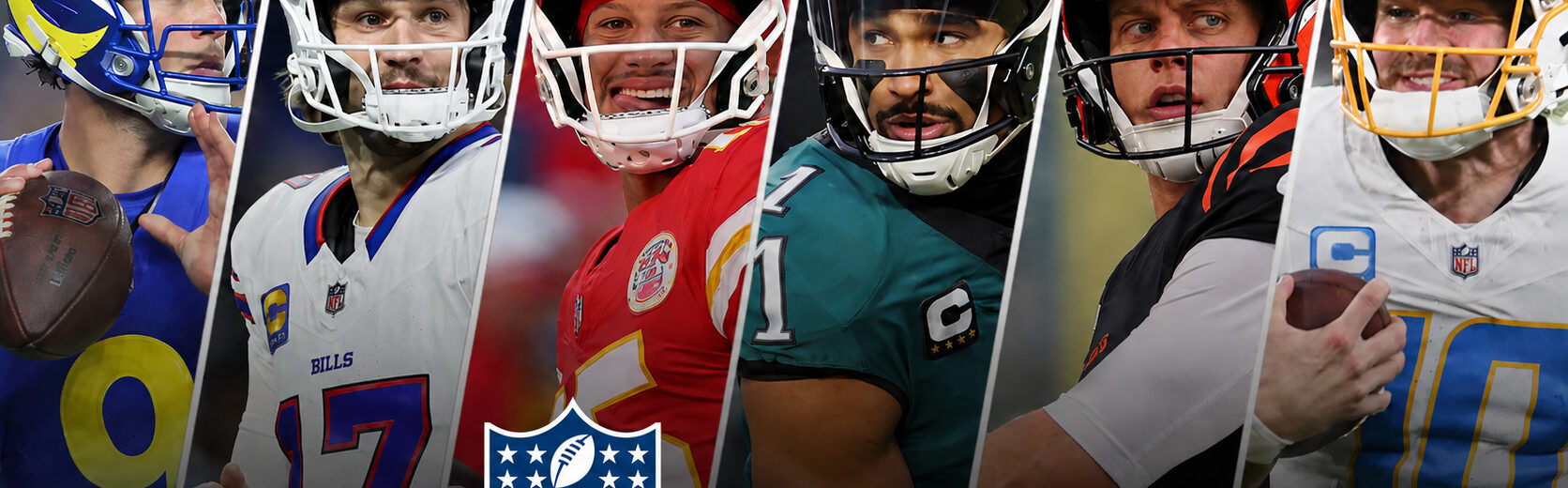
Watching an NFL game on YouTube sounds at first like old wine in a new bottle: sports on a different screen. But what happened around Chiefs versus Chargers was far more interesting than that. YouTube didn’t turn it into a standard broadcast, but into a live spectacle where sports, creators, fans, and internet culture all merged together. While the ball moved across the field, something bigger emerged online: a global moment where millions of people didn’t just watch, but wanted to be part of it.
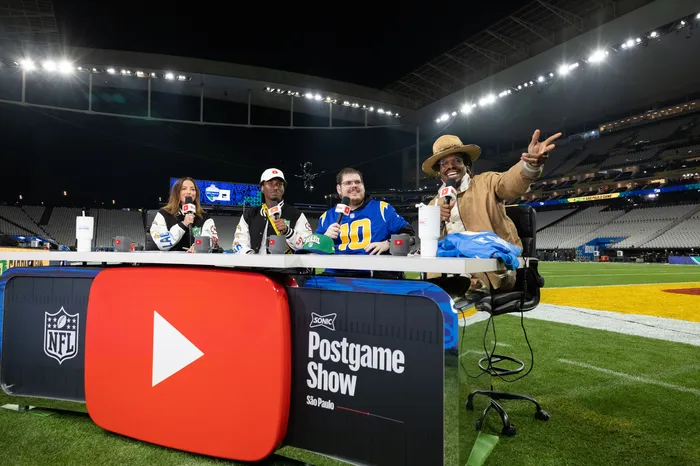
From game to global moment: how YouTube is reinventing live
YouTube’s first exclusive NFL game was exactly that: not a digital copy of television, but a live internet moment on a global scale. Sports, creators, fans, entertainment, and online culture melted together into one event that showed the future of live isn’t just about watching, but about being there.
More than 17 million viewers
In the Variety article “YouTube’s First Exclusive NFL Game Averages More Than 17 Million Global Viewers”, it’s described how YouTube exclusively streamed an NFL game for the first time. The Kansas City Chiefs took on the Los Angeles Chargers in São Paulo on September 5, 2025. The game was free to watch on YouTube and, according to Variety, averaged more than 17 million viewers worldwide.
That number is impressive, but the real story doesn’t lie in the reach alone. What’s really interesting is how YouTube presented this game. Not as a classic sports broadcast that happened to be online, but as a broad live format that served multiple audiences at the same time.
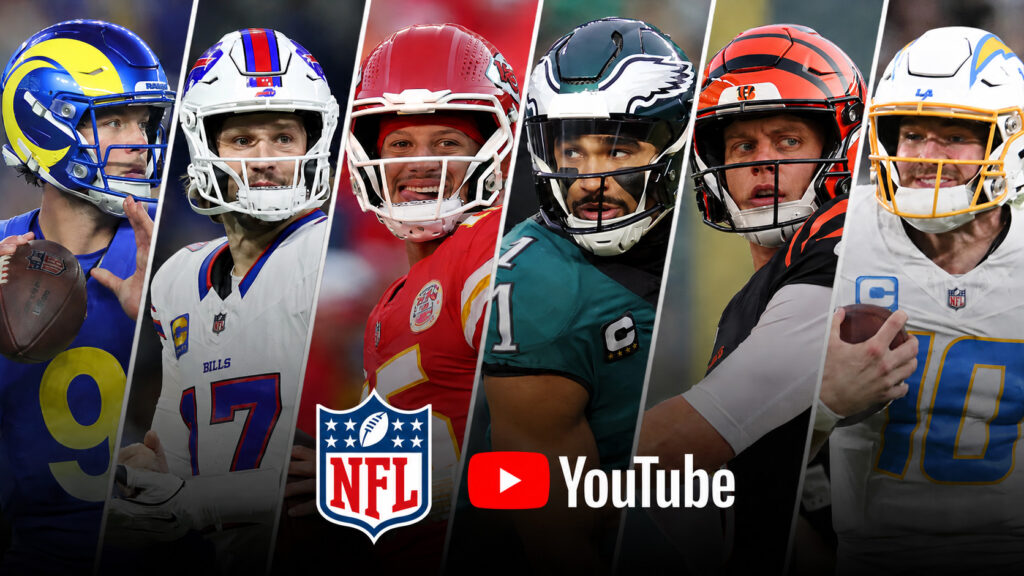
YouTube didn’t think like television
Traditional television often thinks from one central broadcast: one program, one commentary line, one way to watch. YouTube took a different approach. Around the main stream, a complete live experience emerged with alternative livestreams, creator reactions, extra content, and familiar online personalities.
Alongside the standard broadcast, there were streams and contributions from, among others, IShowSpeed, Tom Grossi, CazéTV, MrBeast, Marques Brownlee, and Michelle Khare. This turned the game into more than just a sports event — it became an internet event. For one viewer it was about the game itself. For another, about the creator watching along. For yet another, about the energy, reactions, and online atmosphere around it.
The game was the setting
That might be the biggest shift. The NFL game was the centerpiece, but not the whole story. YouTube built a world around it. The game became a setting where different communities found their own entry point.
Someone might not watch because they’re a Chiefs or Chargers fan, but because IShowSpeed is live. Or because Tom Grossi is providing commentary. Or because CazéTV brings its own energy. The creator then becomes not just a promotional channel, but the front door to the event.
That makes live more personal. Less distant. Less top-down. You’re not just watching an official broadcast, you’re watching along with someone you know, follow, or trust.
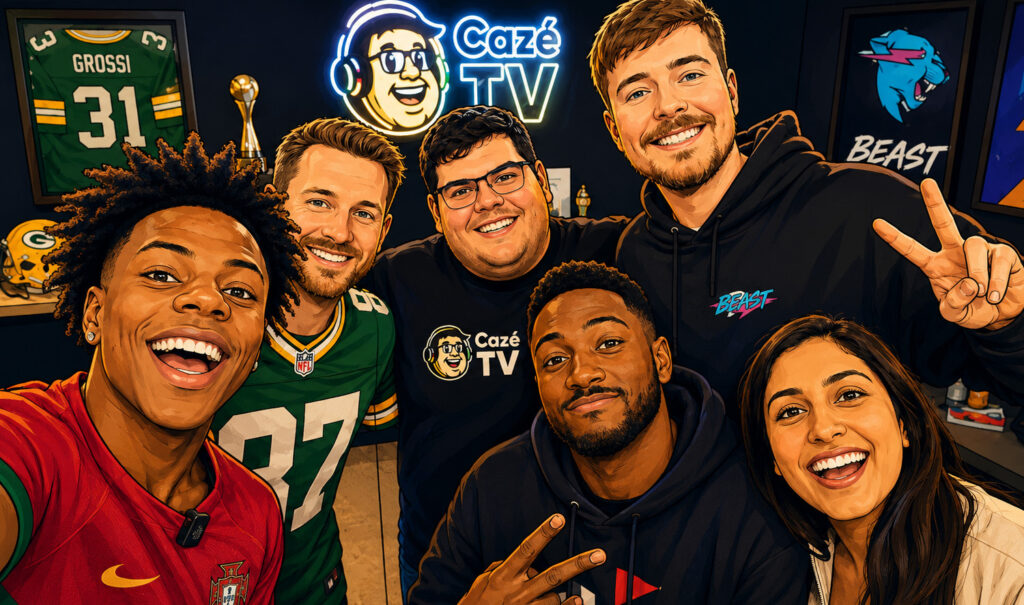
From broadcast to community
The strength of this YouTube case doesn’t lie only in technology or distribution. The strength lies in how live shifts from broadcast to community. The audience no longer just watches a screen, but feels part of a larger moment happening at that very instant.
That matches how people consume content today. Not just through broadcasters, but through platforms, creators, algorithms, chats, clips, and communities. People don’t just choose what they watch, but also through whom they watch it. The form, tone, and personality around an event become increasingly important.
Why live remains powerful
In a world full of fast, polished, and often endlessly edited content, live has something that’s hard to replicate: the moment itself. It’s happening now. It can be rough, surprising, and perfectly timed.
You can rewatch a video later. You can read a post tomorrow. But a live moment only exists once. That makes it exciting. That makes it human. And that makes it, when done right, far more powerful than just a TV broadcast.
The lesson isn’t about scale
Of course, almost no one can organize an NFL game at YouTube scale. But that’s not the main lesson anyway. The lesson isn’t that every event needs millions of viewers, global superstars, or big creators. The lesson is that live becomes stronger when you think beyond transmission.
What is the promise of the moment? Why should people watch now? Who brings the right energy? What role does interaction play? How do you make your audience feel like they’re there, instead of just distant spectators?
Think in live moments, not broadcasts
The Variety article mainly shows that YouTube approaches live not as a simple online relay of a game, but as a cultural moment. The game wasn’t just broadcast, but charged with faces, communities, reactions, and stories around it. Through that, something emerged that felt bigger than the game itself: a live moment you didn’t just watch, but experienced.
And maybe that’s where live’s real power lies. In a media landscape that feels increasingly fast, polished, and often artificial, the genuine moment becomes valuable again. Live is raw, direct, and human. It can be rough, surprising, or go wrong — and that’s exactly why it feels real. So the question isn’t just: can we broadcast this? The better question is: why would people want to be here live?